
THE STORY
HISTORY OF THE WRECK
A ship from the yard that would build the Titanic, an immigrant crew, and a September gale off Coronation Island.
↓ SCROLL
The ship & her people
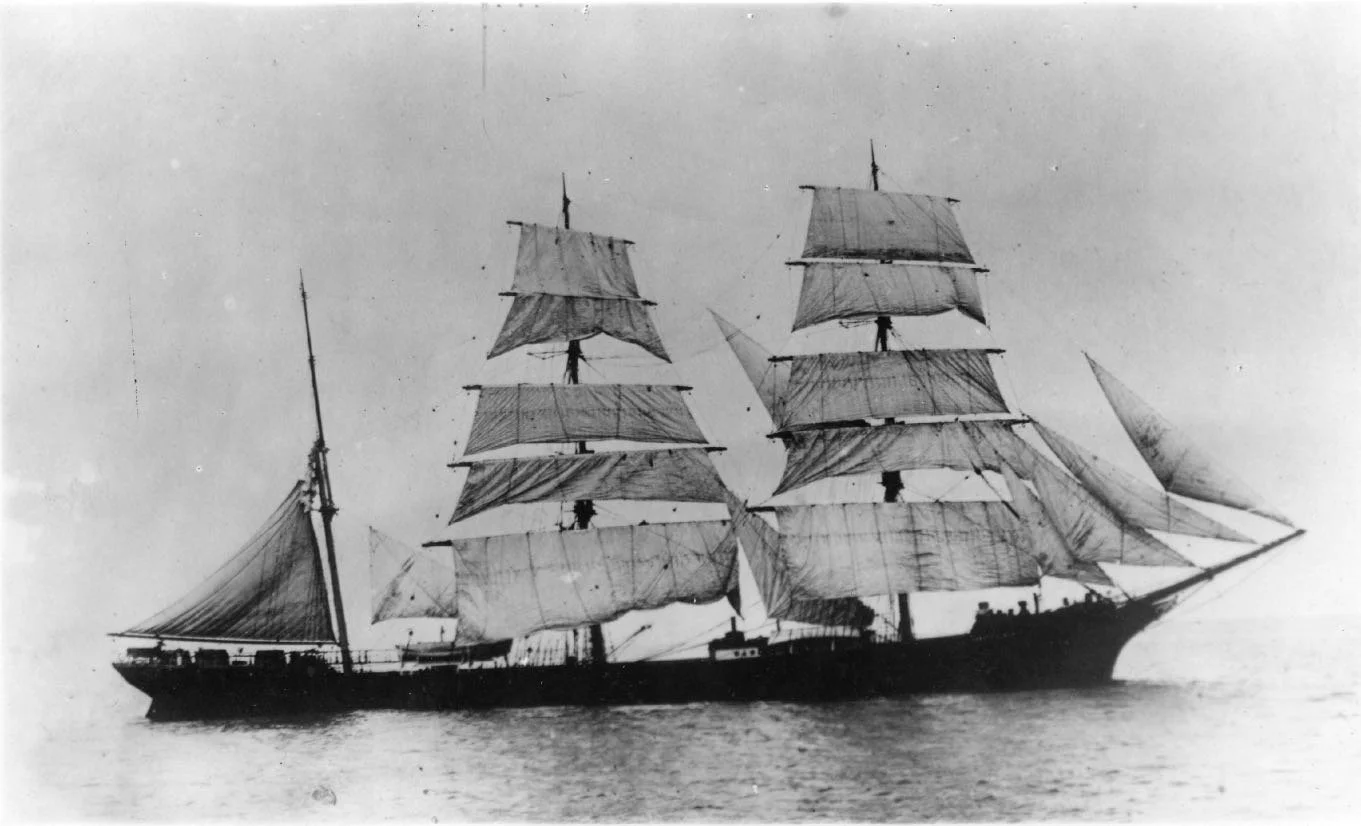
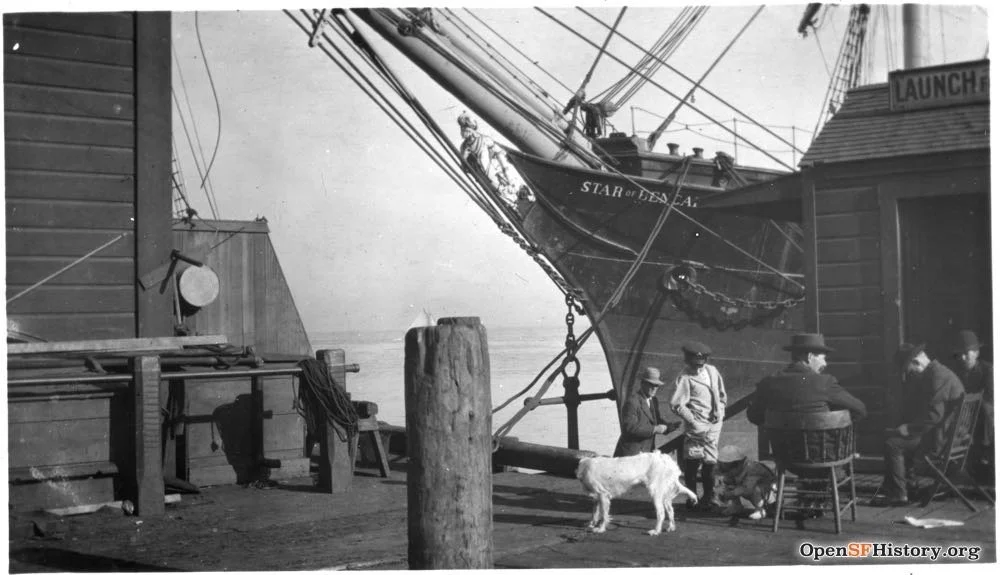
Before Harland & Wolff built the Titanic, the same Belfast shipyard built the Star of Bengal. Launched in 1874 for the British firm J.P. Corry & Co., she was an iron-hulled, square-rigged sailing ship — 263 feet at the waterline and more than 300 feet overall — and for some two dozen years she carried cargo on the London–Calcutta trade before crossing to the Pacific. The Alaska Packers Association bought her in 1905 and added a gaff sail aft for maneuverability, putting her to work hauling crews and canned salmon between San Francisco and the canneries of Southeast Alaska. At its height the APA fleet numbered 19 iron and 15 wooden sailing ships — inexpensive, sturdy vessels well suited to the northern salmon run.
The Ship
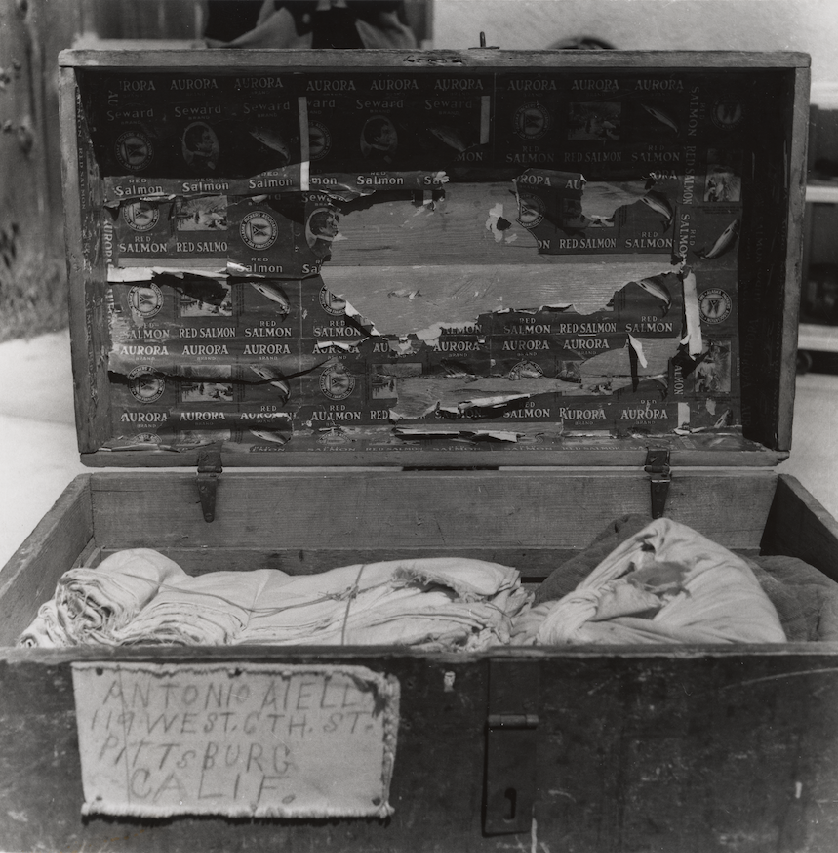
Salmon canneries ran on cheap, seasonal labor. The APA hired immigrant workers — Chinese, Japanese, and Filipino — supplied in bulk by Chinese labor contractors out of San Francisco. Aboard ship, these workers were segregated from the white crew; the company provided housing, fuel, and water, while the contractors provided food. The Star of Bengal’s holds could carry 85,000 cases of salmon, but on her final voyage she carried about 52,000 — leaving the forward hold to house 111 cannery workers for the trip south.
The Cannery Workers
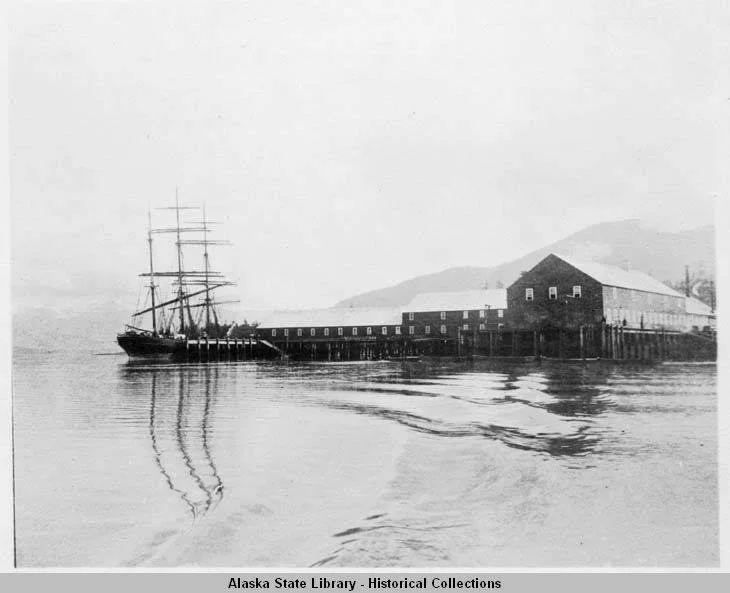
On September 20, 1908, two tugboats — the Hattie Gage and the Kayak — towed the Star of Bengal out toward open water. A rising gale, failing communication, and mechanical trouble forced the tugs to cut their lines and run for safety. Left to the storm, the ship dropped anchor off Coronation Island — but she struck the rocks and broke apart in the surf.
The Final Voyage
The toll fell almost entirely on the men in the forward hold: of the 111 cannery workers, only one survived, while most of the white crew lived. In the courts, the captain and first mate were cleared, and responsibility was shifted away from the Alaska Packers Association altogether. By hiring through Chinese labor contractors, the APA had insulated itself — any claim of mistreatment could be laid at a contractor’s feet. The workers’ families were left with nothing.
The Reckoning
The story is still written into the land and water. Mangled metal litters the intertidal zone where the waves keep working at the ship’s body. In the uplands, the graves of the white victims look over the cove. And just above the high-tide line lies the cannery workers’ grave — what researchers describe as the largest mass grave in Alaska: an unmarked, unrecognized monument to the Chinese, Filipino, and Japanese workers who helped build an American industry.
Written in the landscape
Timeline
-
1874
Built by Harland & Wolff, Belfast — the yard that would later build the Titanic.
-
1905
Bought by the Alaska Packers Association; re-rigged for the salmon trade.
-
Sept 20, 1908
Wrecked off Coronation Island; about 110 of 138 aboard die.
-
1908–09
The captain and the APA are cleared; responsibility is deflected.
-
1960s–2000s
Divers relocate and begin documenting the wreck.
“It is a wonder that these people would sail halfway around the world to toil in strange places and land in our little town of Wrangell. That some of them could find themselves so disrespected touches a chord deep down in many of us.”
— adapted from Gig Decker’s project notes