
CURRENT FINDINGS
THE SEARCH TODAY
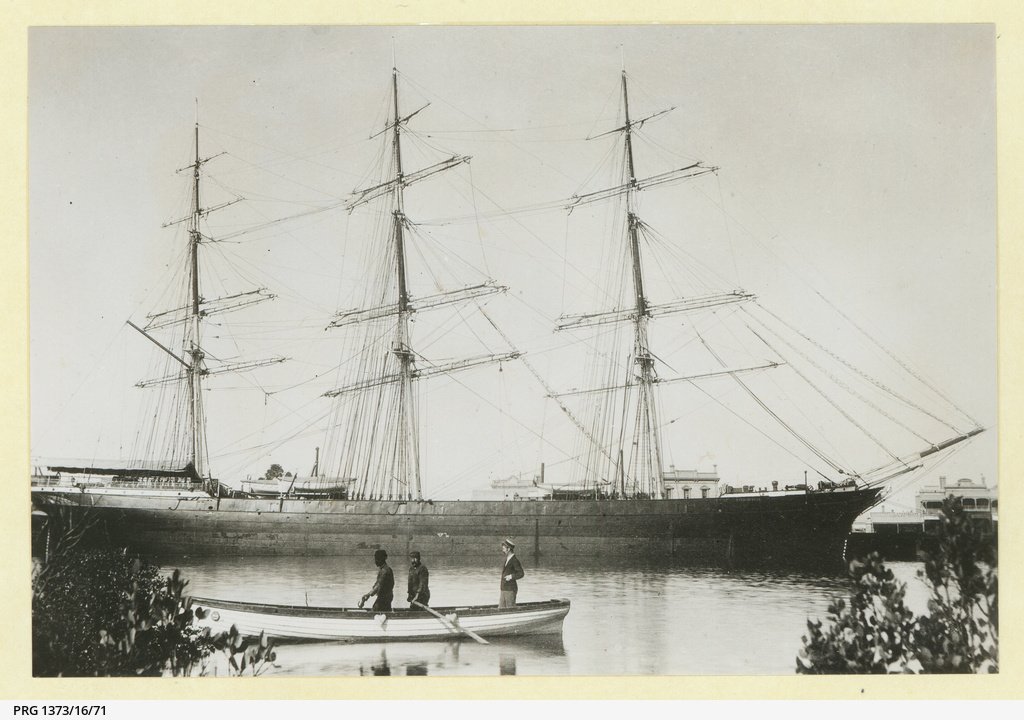
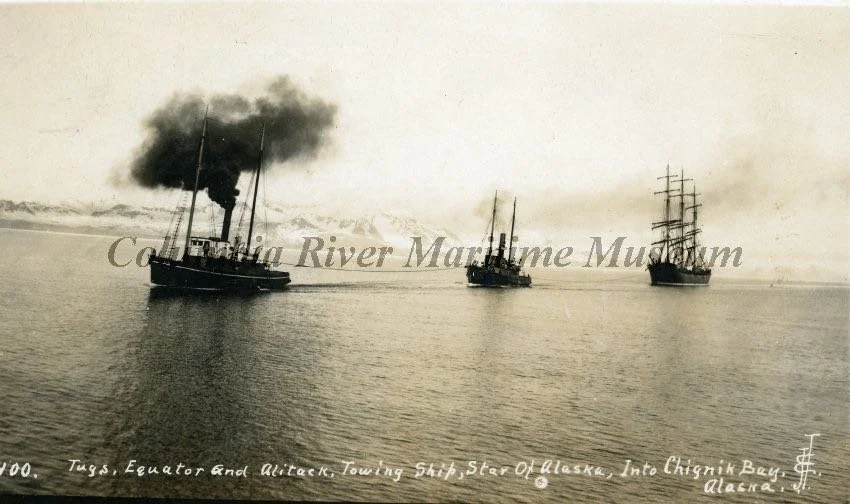
In 2025, a Wrangell-led team found the Star of Bengal again — and began giving the story, and its people, back their names.
↓ SCROLL
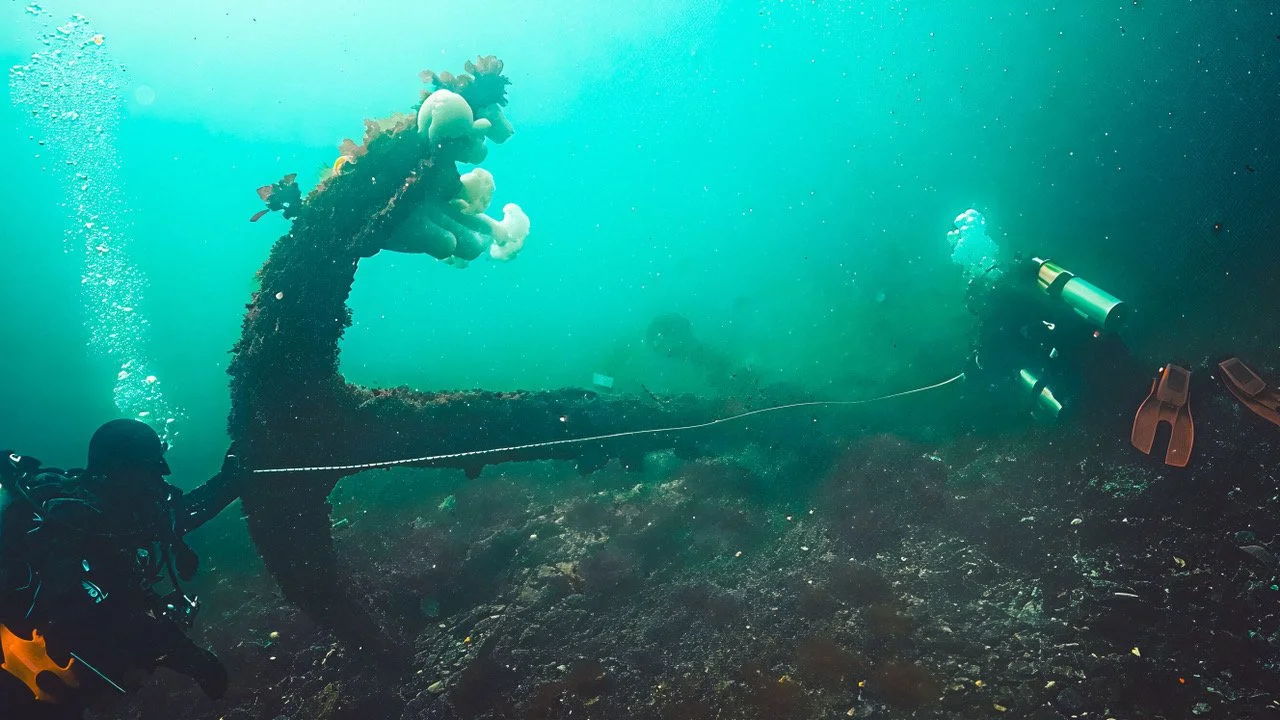
The wreck was never truly lost to local memory. Ketchikan diver Frank Saber dove the site in the 1960s. In 1997, Wrangell divers Gig Decker, Volney Smith, and Cliff James reached it — following a tip from salmon trollers who’d found a deadeye beachcombing above China Cove — and sighted an anchor and a fragment of the bow at 70 feet. Diver Bruce Lanham’s photographs, charts, and video from the 1990s and 2000s laid the groundwork for what came next.
The Long Search
In 2025, the Underwater Cultural Heritage Archaeological Research Team (UCHART) returned. Led by maritime archaeologist Dr. Evguenia “Jenya” Anichtchenko, with Sean Adams of 3 Points in Space as co-principal investigator and remote-sensing lead, and Wrangell’s own Gig Decker running dives and logistics aboard the research vessel Alaska Endeavour, the team surveyed and documented the whole site — the bow resting at about 70 feet and the stern broken over a rock at roughly 140 feet, the anchors and chain, the capstan and windlass, the debris field, and the ship’s bell.
One detail on the seafloor reopens an old question. In 1908, Captain Wagner testified that the ship’s anchor dragged in the storm, carrying her onto the rocks — the account that helped clear him and the company. But the anchor on the bottom shows no sign of having dragged. More than a century on, the wreck itself is beginning to answer for what happened that night.
Finding the wreck
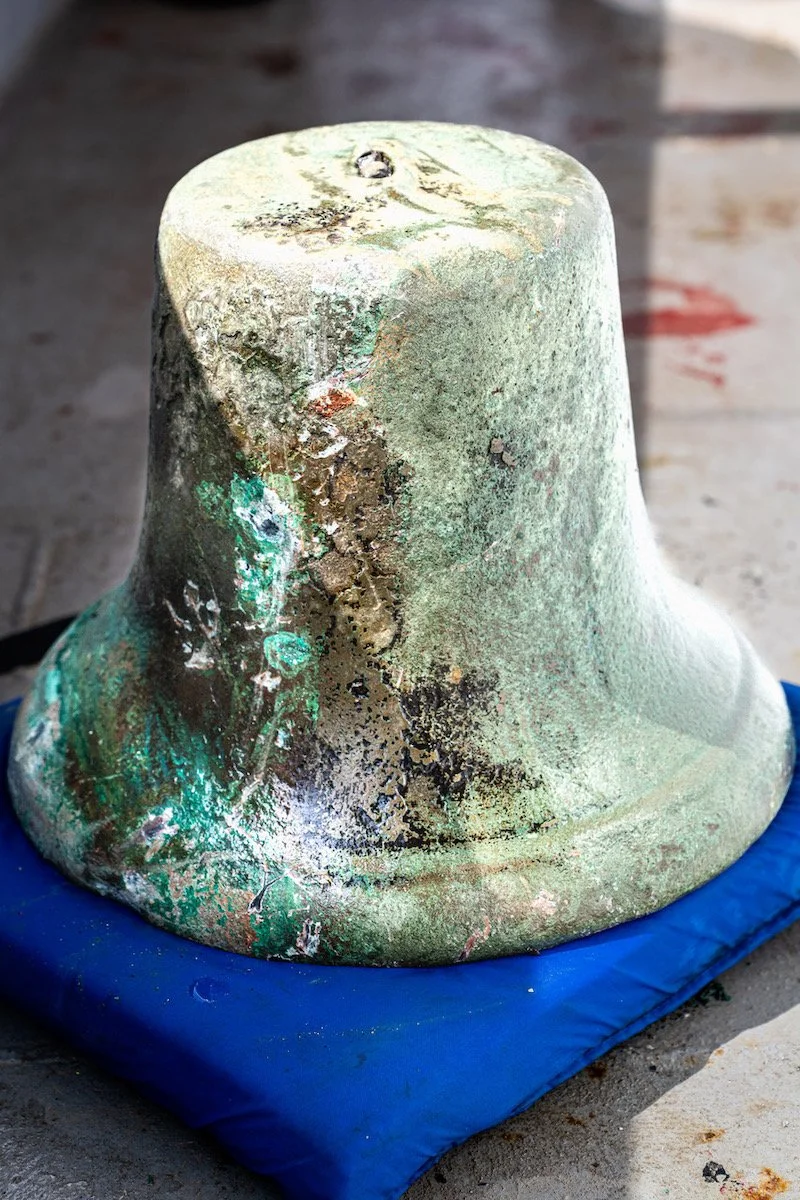
In the spring of 2025, the UCHART team raised the ship’s bell. In March 2026 it traveled to Texas A&M University for conservation — a careful process expected to take several months. When it returns, the bell will go on permanent display at the Wrangell Museum, and be loaned to the Wrangell Mariners Memorial to ring at the annual Blessing of the Fleet, as new names are added to the walls.
After more than a century underwater, the ship will have a voice again.
The Bell
What’s next
The James & Elsie Nolan Center tells this story in person — an in-house Star of Bengal exhibit drawn from the museum’s own collection, and soon the conserved bell itself.
Museum Admission: Admission is $8 for Alaska residents and $12 for non-residents. Children 12 and under receive free admission.
Visit the Nolan Center
With thanks to the Alaska Office of History and Archaeology for guidance and support.
Further reading: Wrangell History Unlocked · Gig Decker, “Wreck of the Star of Bengal,” National Fisherman (2020) · Wrangell Mariners Memorial.
This material was produced with assistance from the Maritime Heritage Grant Program administered by the National Park Service, Department of the Interior. Opinions, findings, and conclusions or recommendations expressed in this material are those of the author and do not necessarily reflect the views of the Department of the Interior.